
The Irish Goodbye
But in the still of the night,when the lights are off, the checks are bouncing, and the choices are between hard and impossible, her voice comes to me with the whisper of iron and the strength of bone

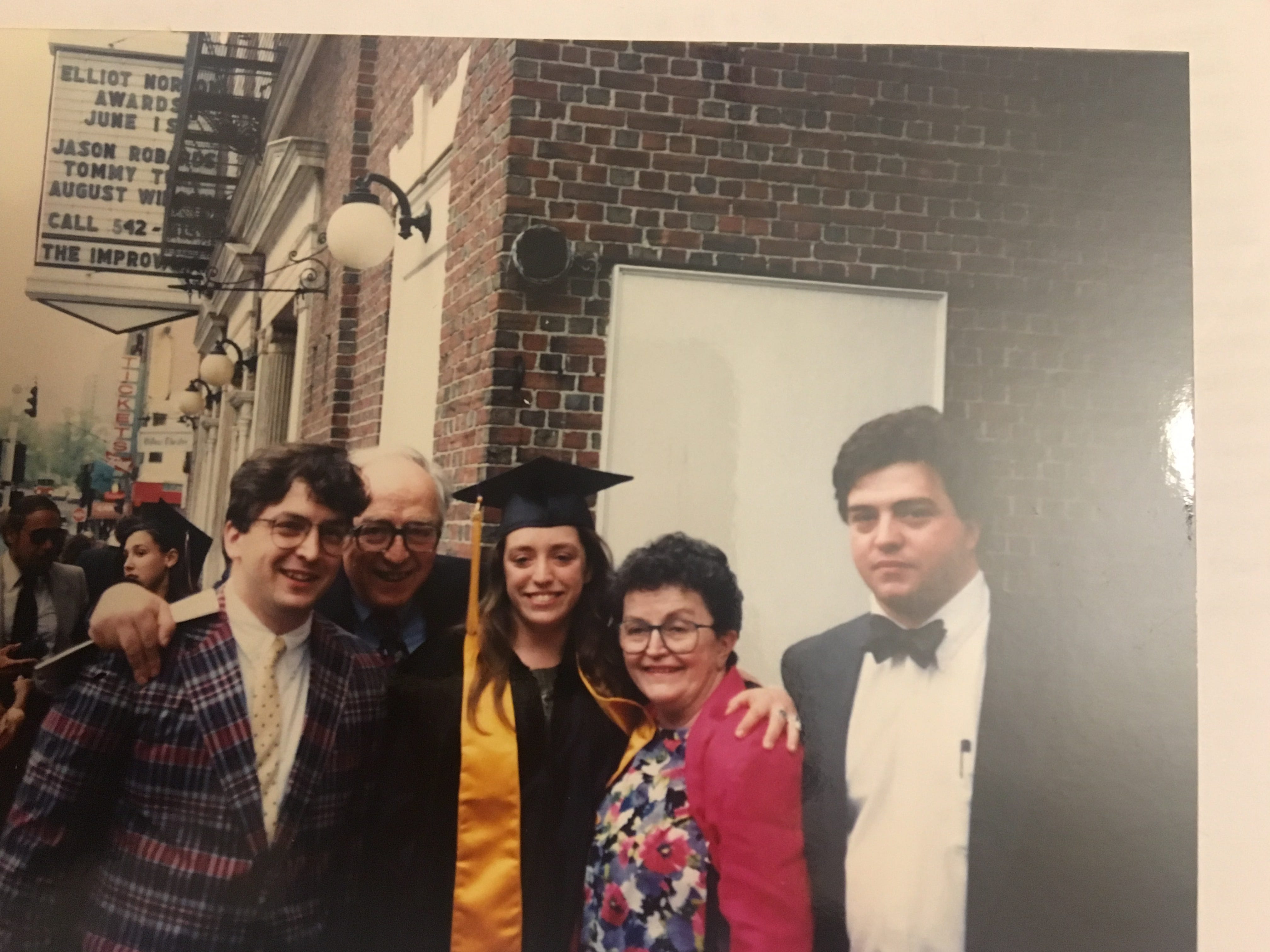
(Sorry to add more to your e-mail folder. This essay is perhaps 16 years old, but it may be older. It remains one that I cannot read, aloud, without falling to pieces. I am now a year older than she was at her death. I have lived more than half my life without her, which is incomprehensible.)
My mother died alone in hospital room on a quiet February night fifteen (31 now…) years ago. Cancer slowly heaved her up onto his shoulders and shuffled out of the room. Three days later, on the morning after a huge snowfall, we had a funeral and a burial. I wept.
I no longer cry at her loss. Time scabs over all wounds, no matter how overwhelming. The dawn kept coming with the regularity of bills and paychecks. I took a few days, rubbed some dirt on the hurt, and then carried on.
So I have been doing for these many years. The highlights and bloopers of my life continued to roll, with a notable silence. My two boys were born without her to hold them, a divorce erupted without her consolation, and a new career blossomed without her hard wisdom.
In her silence, I hear what she didn’t say. Mary Barsanti was not one to advise me on the proper curtains, the right housewarming gift, and diaper tips. My mother ironed little, sewed less, and cleaned only when her mother was inbound. As I paced the midnight kitchen with an upset baby boy, my mother didn’t whisper helpful parenting tips to me from the grave, unless it was to look in the refrigerator for any leftover Ben and Jerry’s.
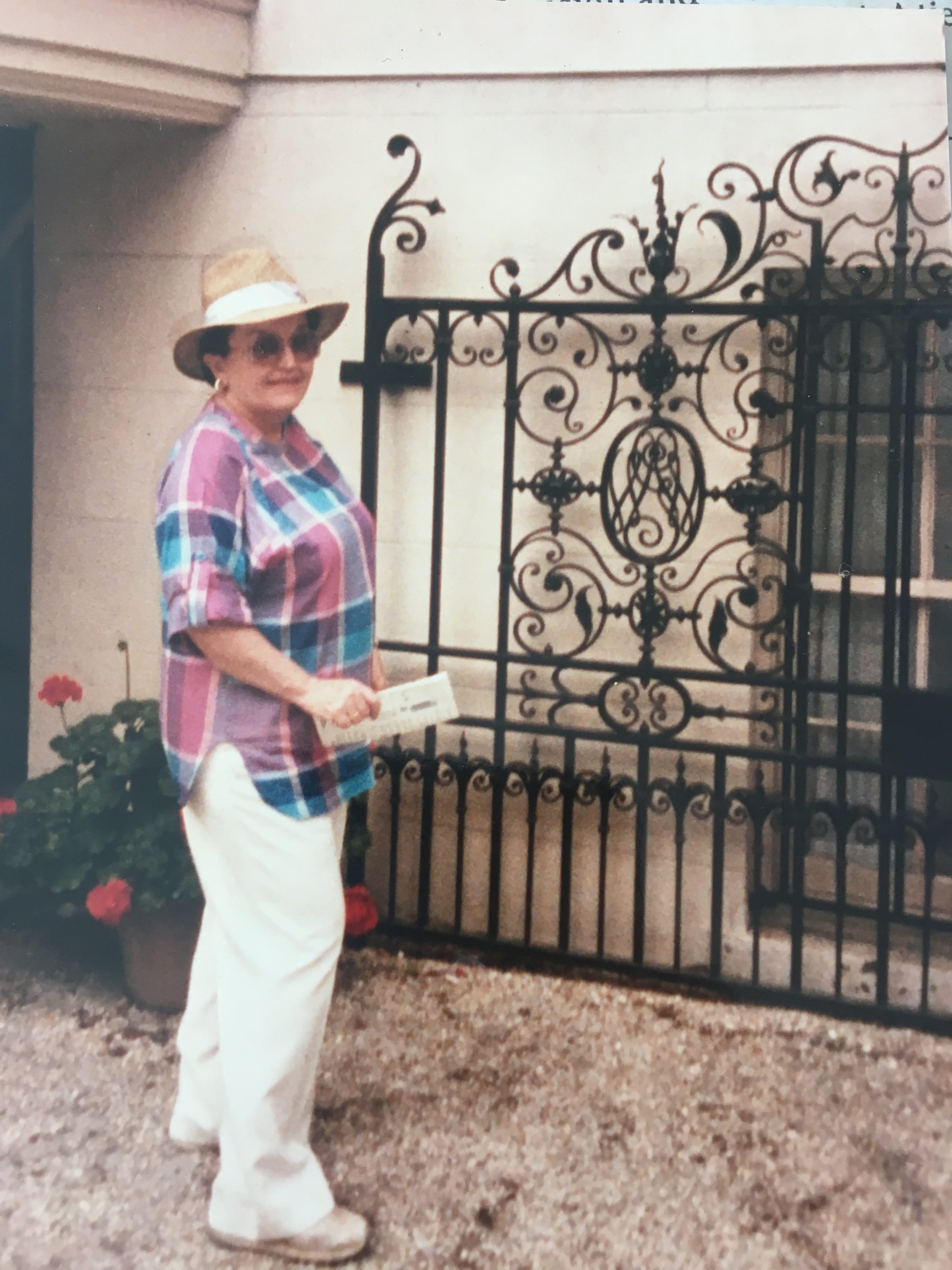
In my family, food is love. For most of my life, my mother was shaped like a grape. She would labor through cross country skiing, walking, and bike riding, only to undo her good work with Hostess Yodels and Entennman’s Raspberry Danish. She taught me, and my siblings, that cupcakes and cookies will always brighten a dull day. The cheesecake, the Snicker’s bars, and the Oreos in my life got their start from my mother and her tastes. It was my own mother who introduced me to the great holiday demon, Hard Sauce. (Hard Sauce has only three ingredients: sugar, butter, and bourbon. That combination, in one order or another, has gotten me into most of the trouble, and roomier pants, of my life). Her voice whispers to me from the candy racks and dessert lists of the world.
For all of the notches on my belt that her voice has led me to, it has come to me at far more important, far hungrier times. I hear her, clear and loud and strident, in the cold hours when the letters are being delivered, the car doesn’t have enough gas, and the night stretches out to you. My mother had seen her share of trouble and knew what to do in the damp hours when it came to skin and bone.
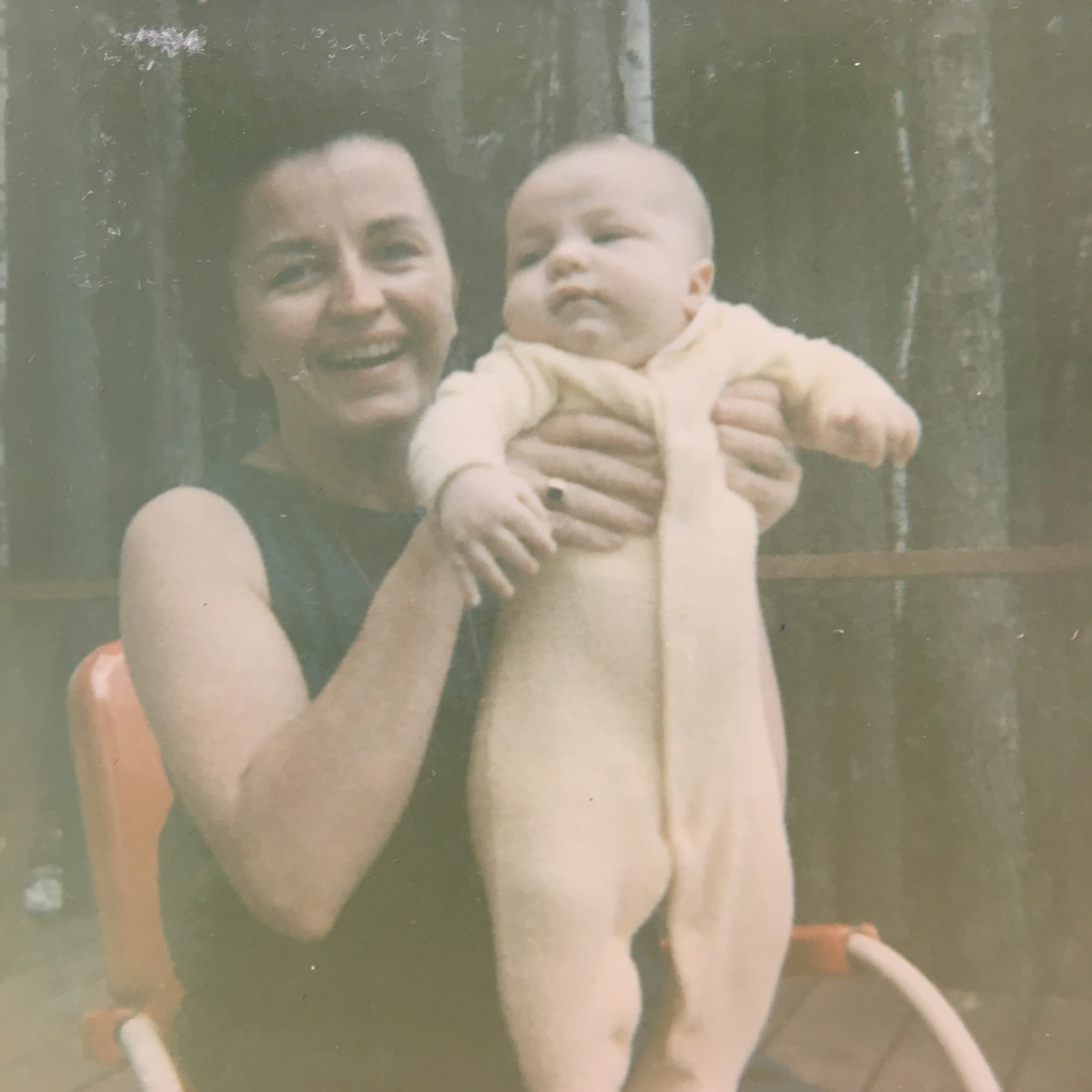
Mary had grown up circumscribed by tradition and guilt, as the oldest daughter in a family of lace curtain Irish. Her older brother became a priest, and her younger sister became a nurse and ran off early to a husband. My Mom stayed close to home, cared for her parents, and kept her enthusiasms under wraps. Later, when she married a flashy young lawyer in a red thunderbird convertible from the right side of the tracks, she endeavored to be the good wife. She took a cooking lesson from his mother, worked on her flower arranging, and stopped teaching with the arrival of her first child.
Then life happened. Somewhere in my childhood, either from an assertiveness training course or one too many creditors, she dropped “the good girl” into the toilet. Her children would do what she could not: we would learn how to swim and we wouldn’t be tied down. As to the first, we all took lessons and joined swim teams. For the second vow, she would put us on an MBTA bus, take us to Oak Grove, plop us on on the Orange Line and bring us into the Museum of Science, the Boston Museum of Fine Arts, the Maparium, the Aquarium, and the North End for Arincini and cookies.
When life got darker and harder, she fought hard to meet it. When the IRS didn’t appreciate my father’s tax theories and attached her wages, she cut up his credit cards. When the cancer came the same summer that she got “let go” from her teaching job, she had me drive her to the unemployment office and then to her chemotherapy appointment (and then to lunch). When the school didn’t hire her back and her health insurance was running out, she took a job on the phone at Blue Cross and Shield answering the complaints of BU professors and MBTA workers. Even at the end, when the cancer commuted throughout her body, her hair had fallen out, and she was too sick for Snickers bars, she got up in the morning, put on the wig, drank her Ensure, and taught middle school science.
She left us with an Irish Goodbye; she slipped away without a word, handshake, or kiss. On every Mother’s Day, and on her birthday, and on holidays at the Hard Sauce bowl, her silence echoes. But in the still of the night, when the lights are off, the checks are bouncing, and the choices are between hard and impossible, her voice comes to me with the whisper of iron and the strength of bone.
The Inn on Brant Point (Novella)
Milestone 1: The Boy Who Climbed the Windmill
Milestone 2: Remember
Milestone 3: Snitches Get Stitches
Milestone 4: Survival Ain’t Pretty
Milestone 5 Missing Julian
Chapter 2: He’s Missing
Chapter 4: A Word to the Wise
Chapter 5: Lollipop
Chapter 6: Truths without words
Chapter 7: Predators
Chapter 8: A Warning in the Night
Chapter 9: Good Man. Would Act
Some of my writing…
Barr’s For Life: A substack of essays and claptrap
The Boat at the End of Lover’s Lane
(NEW) The Girl Who Ran the Polpis Road
The Inn on Brant Point (Novella)
Her Lover on Monomoy Road. (Novella)
Her Father Came Home to Deacon’s Way (Novella)
Love Letters (Novella)
The Fisher King (Novella)
The Costs of Faith (Novella)
Winter: A Collection of Island Living Essays set between January and April 1.
The Boys: A collection of essays about my two sons, written as they grew.
Rolling in the Surf: Essays on Teaching.

Barr’d for Life is a reader-supported publication. To receive new posts and support my work, consider becoming a free or paid subscriber.
This post is an argument for writing in the moment. I don't remember precisely when I wrote it, but I suspect it was around February 9, but some years after her death. Fifteen sounds a bit high. Either way. re-reading it brings back the memories. If you don't write it down, even in scorching pain, all of the emotions will fade. If ou write it down, you can torture yourself ov er and over.