
1. The Morning After
Scars Last For Life (1 of 9)

(The boys are dead. The murderers have left. The scars and the guilt remain. And a multiplying ball of cells.)
Nantucket Island is a tall hill in the middle of a vast field.
So we learned in elementary school.
When the Great Wisconsin Glacier crushed the land under miles of ice, the ocean retreated into the Atlantic canyons. Then, as the ocean warmed, the ice melted into long streams that overfilled the basin and flooded the land. For thousands of years, those ice streams flowed, shaped creek beds, ground rocks into sand, and submerged the plains around the island so that only the tallest hills poke out of the water. On that tallest hill, Nantucket, the north-to-south freshwater ponds are all that remain of thousands of years of a rolling and rocking river. The crush of two miles of ice still lives in all of that crushed sand.
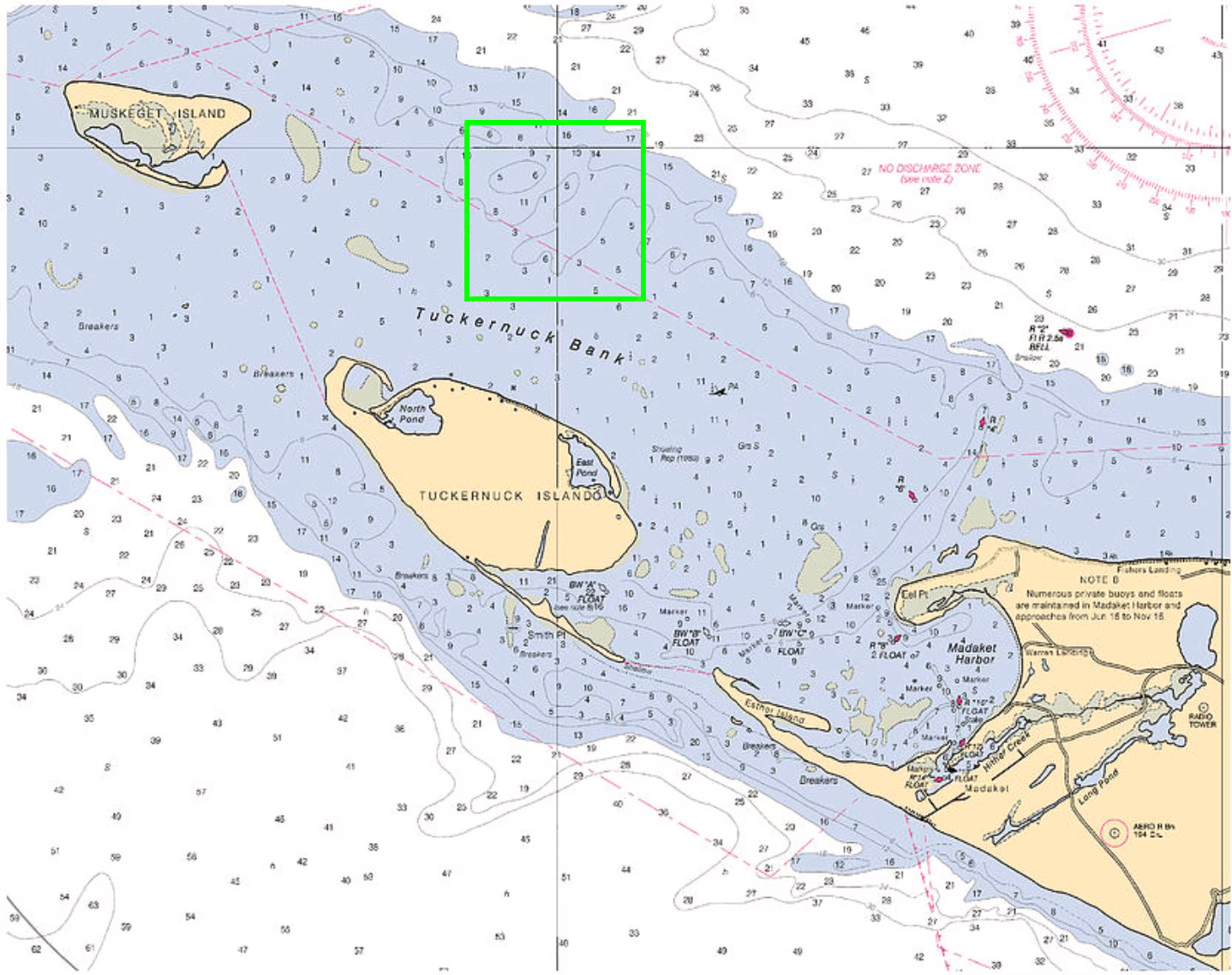
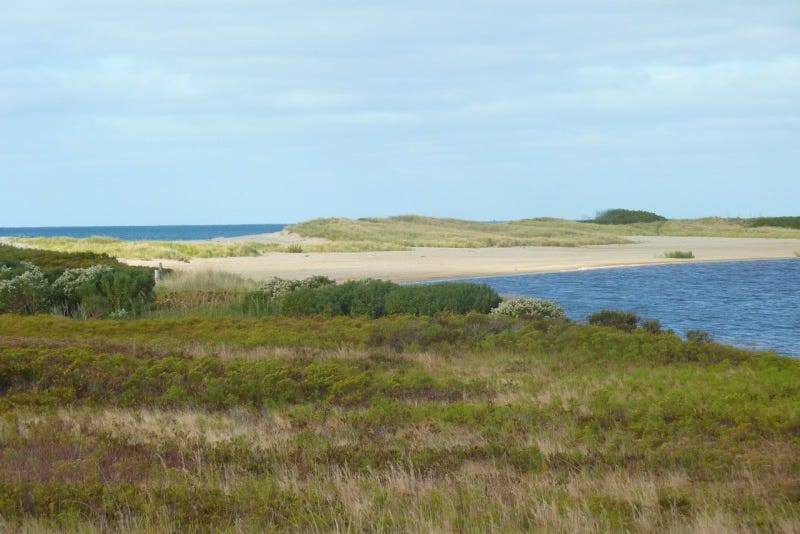
Madaket Harbor is also a glacial remnant. In the “R” months, and at low tide, we walk out miles into two or three feet of water and rake for scallops. The sport fishing boats must follow a clearly marked channel that circles the harbor and brings them into a natural channel that splits the glacial hill that is Nantucket from the glacial hill that is Tuckernuck.
That channel is also thousands of years old. The vast puddle of Nantucket Sound, from Chappaquiddick to the Monomoy Peninsula, drains through this one ancient river into the Atlantic and, then, when the earth moves and the tide shifts, flows back. The water runs geologically fast in a sand canyon a mile or so deep. Any boat caught drifting, or even poorly piloted, will be swept twenty miles south of Martha’s Vineyard in a matter of hours. But if the boat remains drifting, it will be swept back on the inbound tide.
After that channel and the island of Tuckernuck, the twenty miles between Nantucket and Chappaquiddick sit under fast-moving shallow water, perfect for fish, eel grass, and sharks. The sandbars have no channel: we don’t sail across them. In the days of whaling, we lost more than a few expensive whaling ships on these sandbars. We don’t know how many canoes the Wampanoags lost crossing over. Those lost boats, and their drowned sailors, drifted with the other sailors deep under the great shroud of the Atlantic.
With the tides, the channels, the flats, and the sandbars, we would not cross it in any sort of boat during the daylight. Never mind at night.
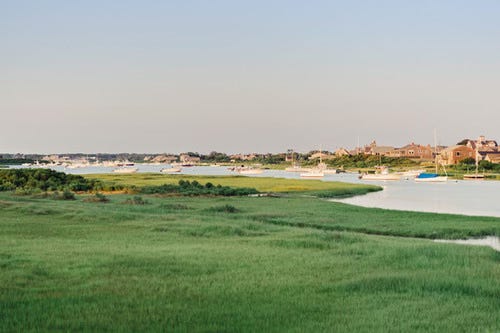
That is what Inspector Henry Coffin thought as he stood on the shore of the ancient Hither Creek looking west.
A boat was missing.
Millie, the operator of Madaket Marine, had phoned in the missing boar when she arrived at work. Danny and the Inspector were the first to arrive. They were followed by three state troopers, including one truck geared up for high-speed chases over sand. It even had a winch.
None of the troopers spoke to the Inspector. They spoke into microphones, squinted into the overcast, and waited for orders.
Millie did not welcome the troopers. She did not offer the troopers coffee.
Coffin got coffee, complete with a little drop of fortification. He winked at her.
Millie was in her late twenties and had just emerged from her second marriage. She was a good sailor, a better horsewoman, and a poor judge of character. She loved the Inspector ever since he talked husband number one into putting the oar down and walking away.
“Millie, whose boat is missing?”
“I have no idea.”
“Bullshit.”
“Might have been a rental.”
“Whose slip might the rental have been in?”
“They move them around all summer. We just get back to organizing them now.”
“Millie, do I look like a cop?”
“Never.”
“Perhaps I can do some good before the boys with the flat hats start poking around.”
“Our records aren’t that good. We had the Jamaicans running the docks all summer.”
“Easy on that. Danny takes offense.”
“He’s not Jamaican.”
“He likes their barbecue.”
She smiled. One of her teeth had gone gray. She looked out to sea. “It was a new moon last night. Bad water.”
“Yup.”
“Tell Rick DeSalvo I hope he finds his boat.”
“Thanks, Millie.”
More troopers arrived in uniform. They took in the Inspector with dark looks.
Two Coast Guard helicopters were approaching from the west.
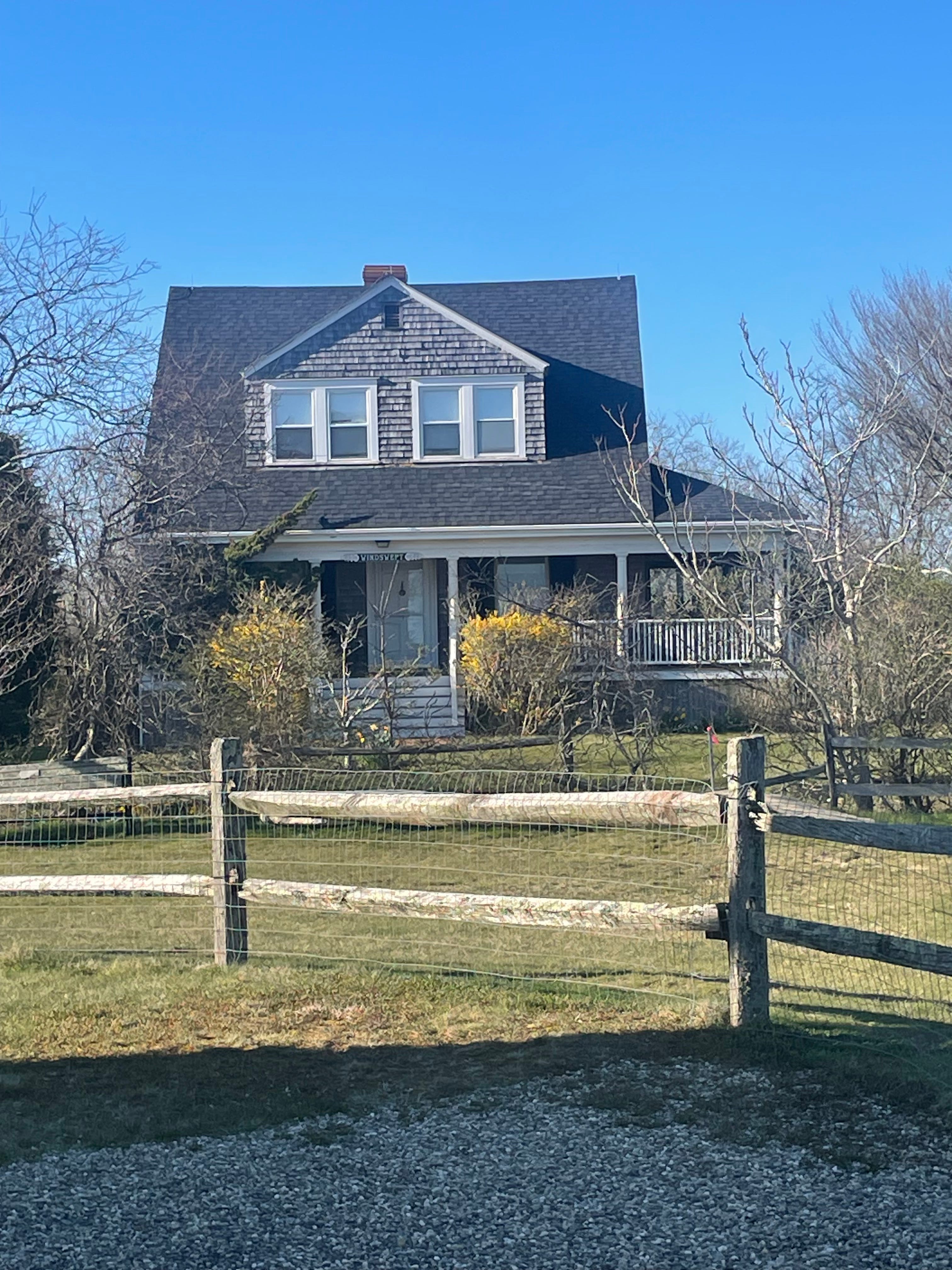
At eleven, Henry Coffin appeared in Rick’s driveway. Rosie was ready for him. The old man was exhausted; it had been a heavy lift all night, from Steven to Lollipop to Millie. And he knew there was more to lift.
Rick was pale. The Inspector did not scare him, nor, this morning, did his wife or children. But he hadn’t slept, and he kept hearing the roar of the surf.
He knew what this was about.
Rick stepped down the stairs and gestured the old policeman towards his shed. Coffin and Pip followed.
Inside, the shed had a row of two by fours leaning against one wall with a shorter collection of four by fours on the other. His tools were hanging from a pegboard, and the table saw stood covered and safe in the middle of the room.
Rick closed the door.
“Inspector?”
“You are missing a boat.”
“It’s out in Madaket.”
“No, it isn’t,” Coffin answered. “It disappeared last night.”
“Inspector, I am sure it will turn up.”
Henry noted the tone of the father.
“I am glad you are sure. The state police may come by to ask you questions. Millie told me that you filled up with gas the other day, and you filled a spare tank.”
“So?”
“You paid cash.”
“Isn’t cash any good anymore?”
“Sure,” Coffin added. “But why are you filling a boat, overfilling it, in October?”
“It needed gas, Inspector. Pure and simple.”
“And now it is gone.”
“It’s a little boat, Inspector. Nobody will take it to Portugal.”
Coffin ran his hand through his hair. Pip looked up at him, then he sat down.
“Rick, the state police are very excited this morning. People of interest has disappeared in the night. They think these people took your boat and drove it off-island. They don’t know what I know. When they find out, they are going to turn your life upside down.”
“And you can prevent that?”
“No,” Coffin allowed. “But I could redirect them. Assuming you had nothing to do with this.”
Rick smiled. He put his hands in his pockets.
“I like you, Henry, I always have.”
“Nice to hear.”
“I never want to see you again.”
Coffin allowed himself a smile. He stuck out his hand.
“Be careful what you wish for. Or you may surely get it.”
The Inn on Brant Point (Novella)
Milestone 1: The Boy Who Climbed the Windmill
Milestone 2: Remember
Milestone 3: Snitches Get Stitches
Milestone 4: Survival Ain’t Pretty
Milestone 6: Scars Last for Life
Coffin Walks AloneSome of my writing…
Barr’s For Life: A substack of essays and claptrap
The Boat at the End of Lover’s Lane
(NEW) The Girl Who Ran the Polpis Road
The Inn on Brant Point (Novella)
Her Lover on Monomoy Road. (Novella)
Her Father Came Home to Deacon’s Way (Novella)
Love Letters (Novella)
The Fisher King (Novella)
Home is Where the Ghosts Are (Novella)
Winter: A Collection of Island Living Essays set between January and April 1.
The Boys: A collection of essays about my two sons, written as they grew.
Rolling in the Surf: Essays on Teaching.

Barr’d for Life is a reader-supported publication. To receive new posts and support my work, consider becoming a free or paid subscriber.
Nice touch naming the woman at Madaket Marine “Millie” 🙂
I appreciate the memories of my island childhood your use of names or descriptions of people and places often elicit❤️